In just over a decade, smartphones have quietly transformed from luxury gadgets into essential companions. They sit beside us when we wake up, travel in our pockets throughout the day, and often become the last thing we see before we fall asleep. More than tools, smartphones have become extensions of ourselves—shaping how we communicate, work, learn, and even how we understand the world. Love them or criticize them, there is no denying that smartphones have redefined modern human life in profound ways.
A World in the Palm of Our Hands
One of the most remarkable things about smartphones is their sheer power. What once required a room full of machines can now be done on a device smaller than a notebook. With a smartphone, we can send messages across continents in seconds, attend virtual meetings, navigate unfamiliar cities, manage finances, and capture life’s most meaningful moments. For many people, smartphones are not just convenient—they are empowering.
In developing regions, smartphones have opened doors that were previously closed. Farmers check weather forecasts and market prices. Students access online education that would otherwise be unavailable. Small business owners promote their products on social media without needing large budgets. In these ways, smartphones act as equalizers, offering opportunities regardless of location or background.
Redefining Communication and Relationships
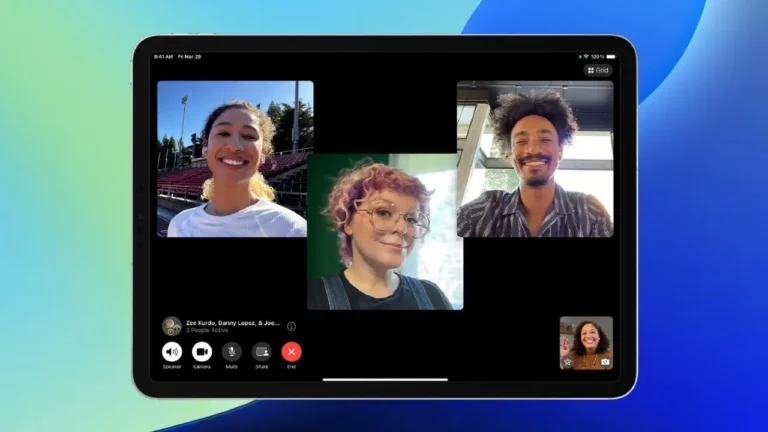
Before smartphones, communication required patience. Letters took days or weeks, and even phone calls were limited by time and place. Today, instant messaging, video calls, and social media allow us to stay connected at all times. Families separated by distance can share daily moments, not just special occasions. Friendships can survive across countries, and new connections can be formed with people we may never meet in person.
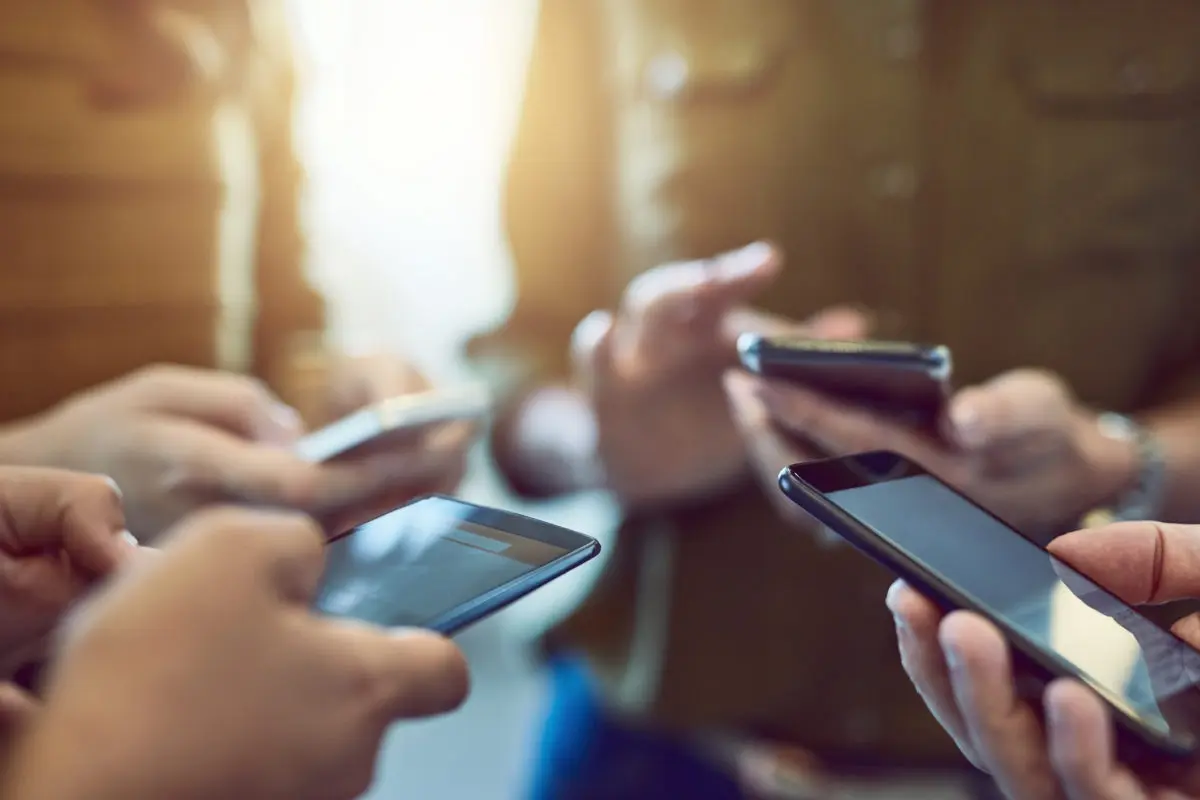
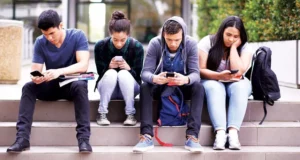
However, this constant connectivity comes with a paradox. While smartphones help us stay in touch with those far away, they sometimes distance us from the people right in front of us. It is not uncommon to see families sitting together, each person absorbed in their own screen. Conversations are interrupted by notifications, and silence is filled by scrolling rather than talking. Smartphones connect us globally, yet they challenge us to remain present locally.
Smartphones and the Human Mind
Smartphones have also changed how we think and process information. With search engines always available, we no longer need to memorize facts the way previous generations did. Instead, we focus on finding information quickly. This shift has made us more efficient but has also raised concerns about attention spans and deep thinking.
The endless stream of notifications, updates, and content can overwhelm the brain. Many people experience anxiety when separated from their phones, a phenomenon often called “nomophobia.” Social media, accessed primarily through smartphones, can also affect self-esteem, especially among young users, by promoting unrealistic standards of beauty, success, and happiness.
Yet smartphones are not inherently harmful to mental health. They also offer meditation apps, mental health support, online therapy, and communities where people can share their struggles and feel less alone. The impact depends largely on how we use these devices—and how much control we allow them to have over our lives.
Changing the Way We Work and Learn
The modern workplace has been reshaped by smartphones. Emails, calendars, and collaboration tools allow people to work from almost anywhere. Freelancers and remote workers rely heavily on smartphones to manage projects and communicate with clients. For many, work-life flexibility has improved, allowing better balance and freedom.
Education, too, has entered a new era. Smartphones give students access to online courses, digital libraries, and educational videos. Learning is no longer limited to classrooms or textbooks. A curious mind with a smartphone can explore science, history, languages, and skills at any time.
However, this convenience comes with distractions. Notifications during study or work hours can reduce productivity. The challenge lies in using smartphones as tools for growth rather than sources of constant interruption.
Smartphones and Daily Life
From ordering food to tracking fitness goals, smartphones have woven themselves into our daily routines. They help us monitor our health, count our steps, track sleep patterns, and even remind us to drink water. During emergencies, smartphones can be lifesaving—allowing quick access to help, navigation, and information.
Photography is another area revolutionized by smartphones. High-quality cameras allow anyone to become a storyteller, capturing moments and sharing them instantly. Important memories no longer fade in albums tucked away on shelves; they live in digital galleries and cloud storage.
At the same time, privacy has become a growing concern. Smartphones collect vast amounts of personal data, from locations to preferences. While this data improves user experience, it also raises questions about surveillance, consent, and digital security.
Finding Balance in a Smartphone-Driven World
Smartphones are neither heroes nor villains—they are reflections of human intention. Used wisely, they can educate, empower, and connect. Used carelessly, they can distract, isolate, and overwhelm. The responsibility lies with us to create healthy relationships with our devices.
Simple habits can make a difference: setting screen-time limits, turning off unnecessary notifications, and creating phone-free moments during meals or conversations. Teaching children mindful smartphone use is especially important, as they are growing up in a world where digital life is inseparable from reality.
Conclusion
Smartphones have become one of the most influential inventions in human history. They shape how we communicate, learn, work, and see ourselves. They bring the world closer while challenging us to remain present. As smartphones continue to evolve, so must our awareness of how we use them.
In the end, smartphones are tools—powerful ones. Whether they enrich our lives or control them depends on our choices. When used with intention and balance, smartphones can truly enhance the human experience, reminding us that technology is most meaningful when it serves humanity, not replaces it.