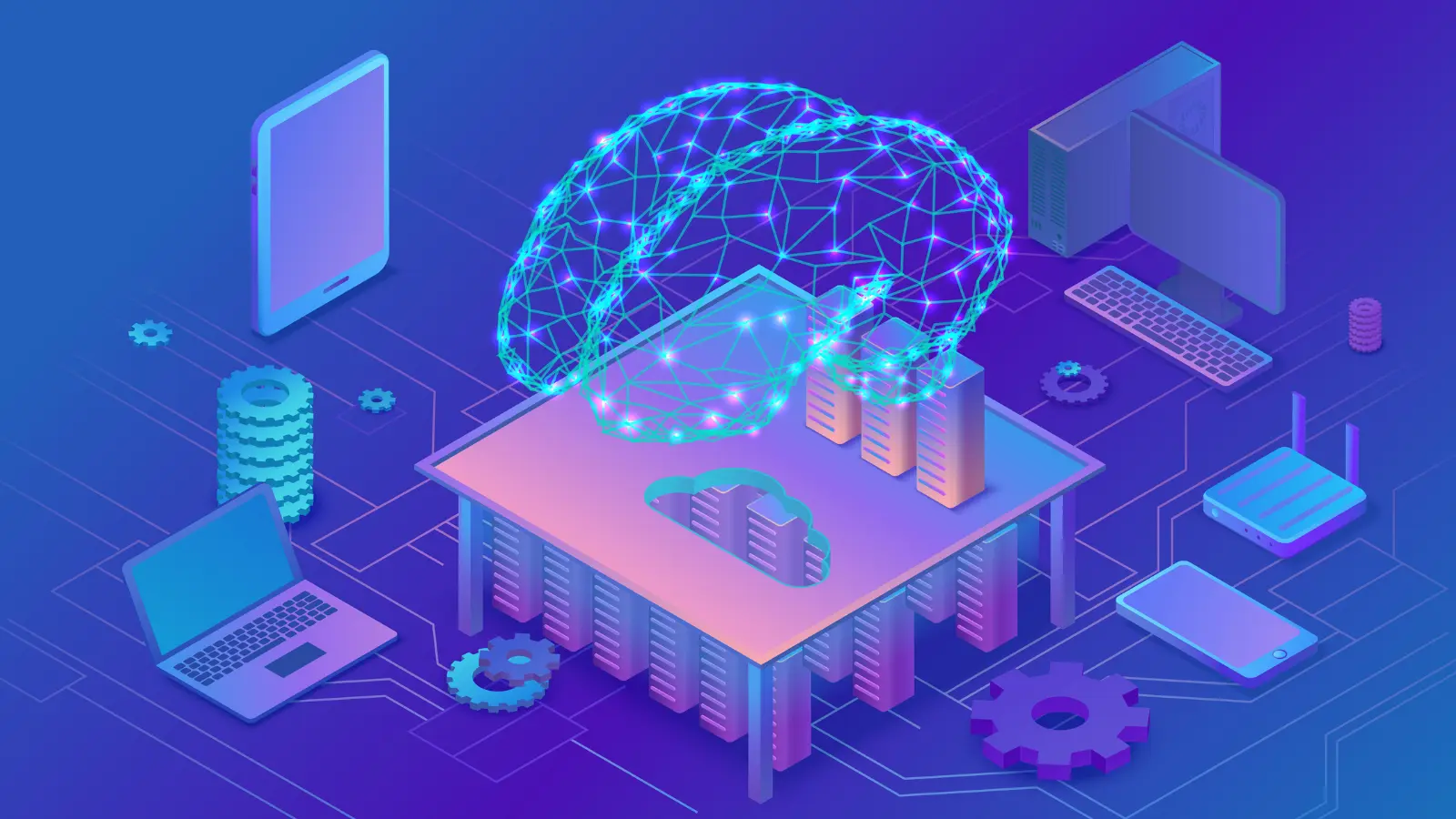
Not long ago, artificial intelligence (AI) felt like something reserved for science fiction movies—robots with human emotions, machines taking over the world, or supercomputers outsmarting everyone. Today, AI is no longer a distant concept. It dominates news headlines, shapes industries, sparks debates, and quietly influences how we live, work, and communicate. From healthcare breakthroughs to ethical concerns, artificial intelligence has become one of the most talked-about topics of our time.
AI Is No Longer “Coming”—It’s Already Here
One of the biggest reasons AI appears in the news so frequently is because it has moved from theory to reality. AI systems now write emails, recommend movies, detect diseases, drive cars, and even create art and music. Tools powered by AI assist customer service agents, help students learn faster, and allow businesses to analyze massive amounts of data in seconds.Recent news stories often highlight how AI is being adopted at record speed. Companies across the globe are racing to integrate AI into their operations to stay competitive. Governments are using AI for traffic management, public safety, and climate modeling. Even small businesses and freelancers rely on AI tools for marketing, design, and productivity.What makes this shift remarkable is how quietly it has happened. Many people use AI every day without realizing it—through search engines, voice assistants, navigation apps, and social media feeds.
Breakthroughs That Capture Attention
Another reason AI dominates headlines is the pace of innovation. Researchers and companies regularly announce breakthroughs that push the boundaries of what machines can do. AI models are now capable of understanding language, recognizing emotions in speech, and generating realistic images and videos.In healthcare, AI has made news by helping doctors detect cancer earlier, predict patient outcomes, and personalize treatment plans. In science, AI systems have accelerated drug discovery and helped solve complex problems that once took years of human effort.These developments generate excitement because they promise real-world benefits. When AI helps save lives, reduce costs, or improve quality of life, it becomes more than just a technical achievement—it becomes a human story.
The Human Side of the AI Debate
Not all AI news is positive or celebratory. A significant portion of coverage focuses on concerns, fears, and ethical questions. People worry about job losses, data privacy, misinformation, and the growing power of tech companies.Automation is one of the most discussed topics. AI can perform tasks faster and cheaper than humans in some roles, raising questions about the future of work. News articles often highlight industries where AI is replacing repetitive jobs while also creating new ones that require different skills. This shift has sparked conversations about reskilling, education, and economic inequality.Privacy is another major issue. AI systems rely on vast amounts of data, much of it personal. Headlines frequently explore how data is collected, who owns it, and how it is protected. When AI systems make mistakes—such as facial recognition errors or biased decision-making—the consequences can be serious, especially for marginalized communities.
These stories remind us that AI is not neutral. It reflects the values, assumptions, and limitations of the people who build and deploy it.
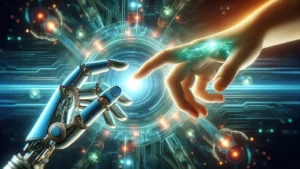
Governments and Regulations Step In
As AI’s influence grows, governments around the world are paying closer attention. News reports increasingly focus on new laws, regulations, and international agreements designed to control how AI is used.Some countries are working on frameworks to ensure transparency, accountability, and fairness in AI systems. Others are investing heavily in AI research to remain globally competitive. The balance between innovation and regulation is delicate, and this tension often makes headlines.The key question policymakers face is how to encourage technological progress while protecting human rights and social stability. These debates shape the future of AI and affect everyone, even those who never directly interact with advanced technology.
AI and Creativity: A New Kind of Collaboration
One of the most fascinating areas of AI news involves creativity. AI-generated art, music, writing, and video have sparked both admiration and controversy. Some see these tools as threats to human creativity, while others view them as powerful collaborators.Artists and writers are experimenting with AI to explore new styles and ideas. At the same time, news stories highlight concerns about copyright, originality, and the value of human-made work. These discussions go beyond technology—they touch on identity, expression, and what it means to be creative.Rather than replacing human imagination, many experts argue that AI is expanding it. The most compelling stories often come from people using AI as a partner rather than a replacement.
Why AI News Matters to Everyone
It’s easy to think that AI news is only relevant to tech experts or large corporations. In reality, the choices being made today will shape how society functions for decades. Education systems, job markets, healthcare access, and even democracy itself are being influenced by AI-driven tools.Understanding AI news helps people make informed decisions—about their careers, their data, and the technologies they choose to trust. It also empowers individuals to participate in conversations about how AI should be used and governed.
Looking Ahead: A Shared Responsibility
Artificial intelligence is not just a technological story; it’s a human one. Every headline about AI reflects our hopes, fears, and values. The future of AI will not be determined by machines alone, but by the people who design, regulate, and use them.As AI continues to evolve, the news will keep coming—some stories inspiring, others challenging. The most important thing is to approach these developments with curiosity, critical thinking, and empathy. AI has immense potential to improve lives, but only if guided by human responsibility.