
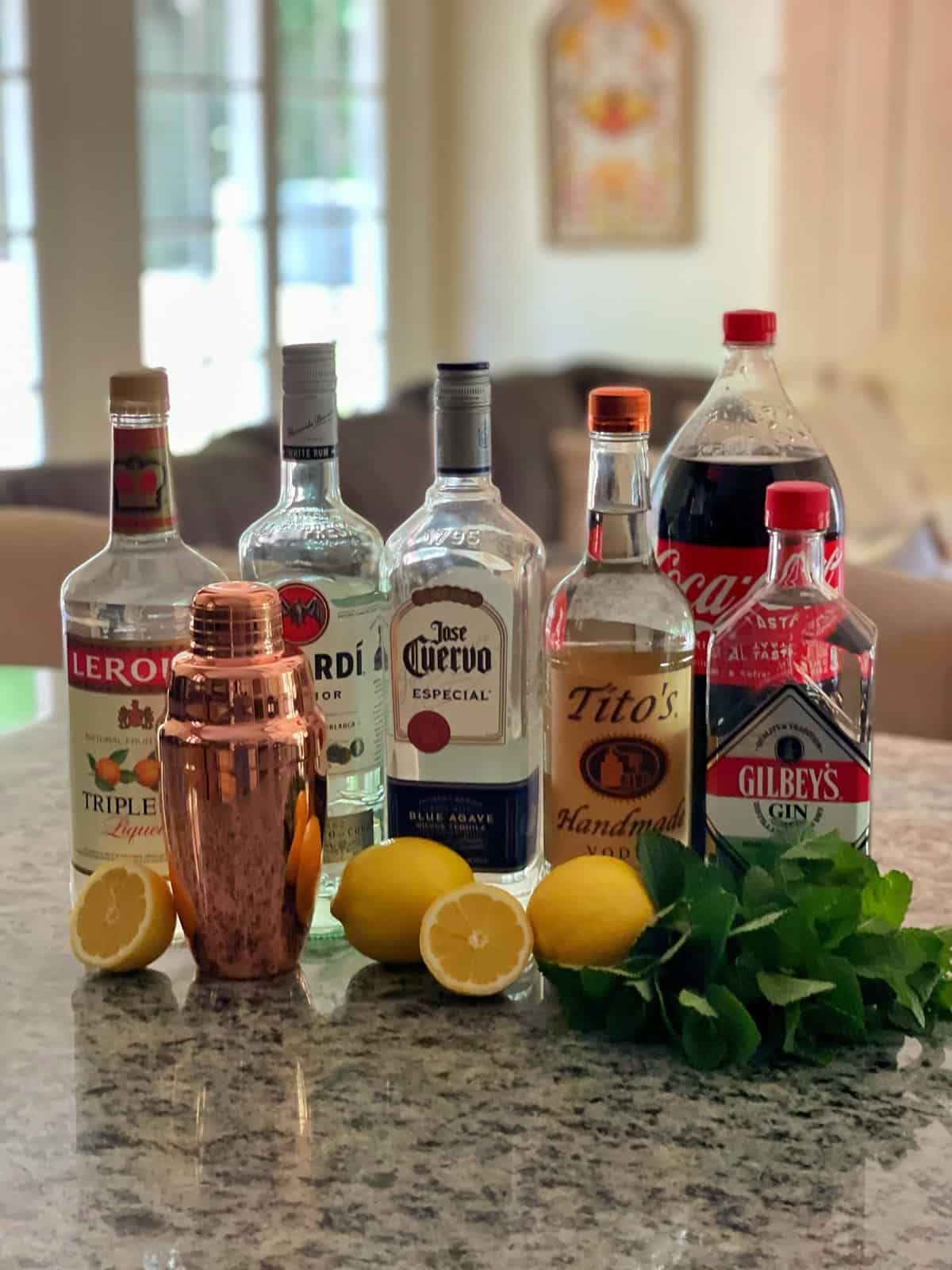
The Long Island Iced Tea is one of the most recognizable cocktails in American bar culture — bold, citrus-forward, and deceptively smooth. Despite its name, there’s no tea in this drink. What makes it complex is the careful balance of five spirits, each contributing something distinct. Vodka is one of them, and while it doesn’t dominate, getting it right matters more than most bartenders let on.This guide breaks down exactly what to look for in a vodka for Long Island Iced Tea, which types perform best, whether premium labels are worth the spend, and how to build a more balanced, better-tasting cocktail from the ground up.
What Is a Long Island Iced Tea, and Why Does Vodka Selection Matter?
The Long Island Iced Tea is a high-alcohol cocktail that achieves its distinctive amber color and citrus taste without a drop of actual tea. It combines five spirits in equal parts, balanced against fresh lemon juice, simple syrup, and a cola finish.
A classic recipe calls for:
- Vodka
- Gin
- White rum
- Blanco tequila
- Triple sec (orange liqueur)
- Fresh lemon juice
- Simple syrup
- Cola (just a splash)
The result is a cocktail with a combined alcohol content significantly higher than a standard single-spirit drink. Because every ingredient interacts with the others, the choice of vodka — specifically its smoothness and flavor neutrality — affects the overall drinkability of the finished glass.
A harsh or off-flavor vodka doesn’t get buried in the mix. It shows up as a sharp, chemical edge that cuts through the citrus and undermines the drink’s balance. A clean, smooth vodka, on the other hand, integrates seamlessly and lets the cocktail’s layered character come forward.
What Role Does Vodka Play in a Long Island Iced Tea?
Vodka is classified as a neutral spirit — by definition, it should contribute alcohol content without introducing strong independent flavors. In a Long Island Iced Tea, that neutrality is an asset. Here’s how it functions:
Structural Alcohol Backbone
Vodka adds to the drink’s potency alongside gin, rum, tequila, and triple sec. Each spirit contributes approximately half an ounce, but the cumulative effect is significant. Standard Long Island Iced Teas clock in around 22% ABV before dilution — roughly equivalent to four standard drinks in a single glass. Vodka’s contribution to this structure is intentional, not incidental.
Smoothness Across the Palate
Because the cocktail already contains gin’s botanicals, tequila’s earthy agave notes, and rum’s sweetness, adding a harsh vodka creates friction. A smooth vodka allows the other spirits to do their work without interference. This is why the spirit’s distillation quality and filtration method matter even in a mixed drink.
Flavor Bridge
Vodka quietly connects the sharper, more distinctive flavors in the glass. The citrus from lemon juice, the light sweetness of cola, and the bite of tequila all need a neutral carrier to feel cohesive rather than chaotic. Vodka fills that role.
What Type of Vodka Works Best in a Long Island Iced Tea?
Not all vodkas are interchangeable, even in a cocktail with this many ingredients. The following characteristics matter most:
Unflavored and Neutral
This is non-negotiable. Flavored vodkas — citrus, vanilla, raspberry, coconut — will interfere with the cocktail’s intended flavor profile. A Long Island Iced Tea is already precisely balanced. Introducing a competing flavored vodka throws off the ratio and alters the final taste in ways that are hard to correct. Always choose a plain, unflavored vodka.
Mid-Range Quality
You don’t need a bottle priced over $40 for a mixed drink. But you do want to avoid the cheapest options on the shelf. Budget vodkas often carry a sharp, almost solvent-like finish that comes through even when mixed. A reliable mid-range bottle — typically $20 to $35 — provides the smoothness you need without unnecessary expense.
Well-regarded options at this price tier include Tito’s Handmade Vodka (a consistent choice for mixed drinks), Absolut, Smirnoff No. 21, New Amsterdam, and Ketel One. These brands have earned their reputations in the cocktail world for being clean and consistent, not for marketing alone.
Standard 80 Proof (40% ABV)
Stick with standard 80-proof vodka. Higher-proof options (100 proof or above) can throw the alcohol balance of a Long Island Iced Tea off significantly. Since five spirits are already combining in the glass, adding an overproof vodka without adjusting other measures results in a drink that’s overwhelming rather than refreshing.
Grain vs. Potato Vodka: Which Is Better for Long Island Iced Tea?
Vodka is produced from a range of base ingredients, and while the differences can be subtle, they’re worth understanding when choosing a bottle for cocktail use.
Grain-Based Vodka (Wheat, Rye, Corn)
Grain vodkas tend to be lighter and crisper. They have a clean, dry finish that integrates well with the citrus and sweet components of a Long Island Iced Tea. Most of the major commercial vodka brands fall into this category. For this cocktail specifically, grain-based vodka is the most practical choice.
- Tito’s: Made from corn, known for its clean profile and smooth finish.
- Absolut: Wheat-based, crisp and consistent across batches.
- New Amsterdam: Wheat-based, very smooth at an accessible price.
Potato Vodka
Potato vodkas offer a slightly fuller body and a creamier mouthfeel, with subtle earthy undertones. They’re excellent in spirit-forward drinks like Martinis, where texture is noticeable. In a Long Island Iced Tea, the creamier profile is largely masked by the citrus and cola. You won’t lose anything by using a potato vodka, but you may not gain much either. Chopin and Luksusowa are the most recognized potato vodka options if you prefer to experiment.
Does Premium Vodka Make a Difference in a Long Island Iced Tea?
This question comes up consistently among home bartenders and cocktail enthusiasts. The answer depends on what you mean by “premium.”In a Martini or a vodka soda — where the spirit is front and center — the difference between a $20 and a $60 bottle is detectable and meaningful. In a Long Island Iced Tea, the layered composition (citrus, five spirits, cola) compresses the sensory bandwidth available to perceive subtle grain character, mouthfeel nuances, or mineral finish.What still matters is baseline smoothness. A $15 bottom-shelf vodka with a harsh, burning finish will affect the drink. A $25 to $35 mid-range option provides sufficient smoothness without overpaying for characteristics that won’t survive the mix.If you’re hosting and want to signal quality, opting for a recognizable bottle is a reasonable choice. Just don’t assume a $60 ultra-premium vodka will produce a detectably better Long Island Iced Tea than a $28 Ketel One.
How Much Vodka Goes in a Long Island Iced Tea?
Precision matters in a cocktail that blends five spirits. The standard recipe uses:
| Ingredient | Amount |
| Vodka | 1/2 oz (15 ml) |
| Gin | 1/2 oz (15 ml) |
| White rum | 1/2 oz (15 ml) |
| Blanco tequila | 1/2 oz (15 ml) |
| Triple sec | 1/2 oz (15 ml) |
| Fresh lemon juice | 3/4 oz (22 ml) |
| Simple syrup | 1/2 oz (15 ml) |
| Cola | Splash to top (approx. 1 oz) |
Avoid the temptation to increase the vodka pour. The drink is already potent. Over-pouring one spirit distorts the balance and dilutes what makes the Long Island Iced Tea interesting — its multi-layered structure, not raw alcohol content.
How to Build a Better Long Island Iced Tea: Tips from the Bar
Vodka selection is just one piece of the equation. These practices separate a decent Long Island Iced Tea from one that’s genuinely well-made:
Always Use Fresh Lemon Juice
Bottled lemon juice is stabilized and dulled. It produces a flat, slightly artificial sourness that undermines the cocktail. Fresh-squeezed lemon juice — strained, to remove pulp — produces a brighter acidity that brings the drink to life. This single change makes a more noticeable difference than upgrading your vodka by one price tier.
Use Restraint with the Cola
The cola serves two purposes: giving the cocktail its amber color and adding a light sweetness to balance the citrus. A heavy pour of cola turns the Long Island Iced Tea into something muddier and overly sweet. A splash of one to two ounces is sufficient. Use freshly opened soda to preserve carbonation and freshness.
Measure Every Spirit
This cocktail does not forgive imprecision. Because five spirits are combining, a careless over-pour of two or three of them results in a drink that’s harsh, boozy, and unpleasant regardless of ingredient quality. A jigger is essential, not optional.
Shake Properly
Combine all spirits, lemon juice, and simple syrup in a cocktail shaker with ice. Shake firmly for about 15 seconds — long enough to chill and dilute the mix slightly. Strain into a tall glass (Collins or highball) over fresh ice, then top with the cola. The shaking integrates the ingredients and brings the drink’s temperature down before service.
Invest in Better Ice
Large, clear ice cubes melt more slowly than cheap, hollow cubes or crushed ice. Slower dilution means the drink stays balanced longer as it’s consumed. For presentation and palate consistency, the ice quality is worth considering.
Common Mistakes That Ruin a Long Island Iced Tea
Using Flavored Vodka
Citrus, berry, or vanilla vodkas seem like intuitive additions but they compete directly with the fresh lemon juice and triple sec. The result is a confused, off-balance drink. Use unflavored vodka exclusively.
Over-Pouring a Single Spirit
Bartenders and home mixers often default to making the drink “stronger” by adding more vodka. This backfires. An oversized vodka pour mutes the gin’s botanicals, overwhelms the rum’s sweetness, and creates a drink that tastes like alcoholic lemonade rather than a structured cocktail.
Skipping the Shaker
Stirring or simply layering the ingredients in a glass without shaking produces a poorly integrated drink. The spirits, citrus, and syrup need agitation and chilling before the cola is added.
Using Flat or Pre-Opened Soda
Flat cola adds sweetness and color but none of the carbonation that lightens the cocktail on the palate. Always use soda from a freshly opened bottle or can.
Recommended Vodkas for Long Island Iced Tea by Budget
Best Budget Picks (Under $20)
At this price point, Smirnoff No. 21 and New Amsterdam are the most consistent performers. Both are grain-based, smooth enough for mixed cocktails, and widely available. Avoid anything below this tier for mixed drink use.
Best Mid-Range Picks ($20 to $35)
Tito’s Handmade Vodka is the most recommended option at this price tier for Long Island Iced Teas. It’s corn-based, gluten-free, and has earned consistent praise from bartenders for its clean, smooth character in mixed drinks. Absolut and Ketel One are strong alternatives — both wheat-based and well-suited to cocktail work.
Premium Options ($35 and Up)
Grey Goose, Belvedere, and Clase Azul Plata (if substituting a cleaner spirit) are respected at the premium end, but their subtle characteristics are largely masked in a Long Island Iced Tea. These are better appreciated in spirit-forward applications. For this specific cocktail, they’re an unnecessary expense unless you’re set on them for personal preference.
Long Island Iced Tea Variations Worth Knowing
Once you’ve mastered the classic, understanding common variations helps when adapting for different tastes or ingredients:
- Texas Tea: Substitutes bourbon for one of the white spirits, adding caramel warmth.
- Tokyo Tea: Replaces cola with melon liqueur (Midori), producing a bright green, fruity variation.
- Long Beach Iced Tea: Cranberry juice replaces the cola, creating a lighter, fruit-forward take.
- Blue Long Island: Blue curacao replaces triple sec, shifting the color and adding a subtle orange-citrus twist.
- Virgin Long Island Iced Tea: Replaces spirits with iced tea, lemonade, and cola for a non-alcoholic version with a similar flavor profile.
In each variation, the same vodka selection logic applies: neutral, unflavored, and mid-range quality.
Presentation and Serving Notes
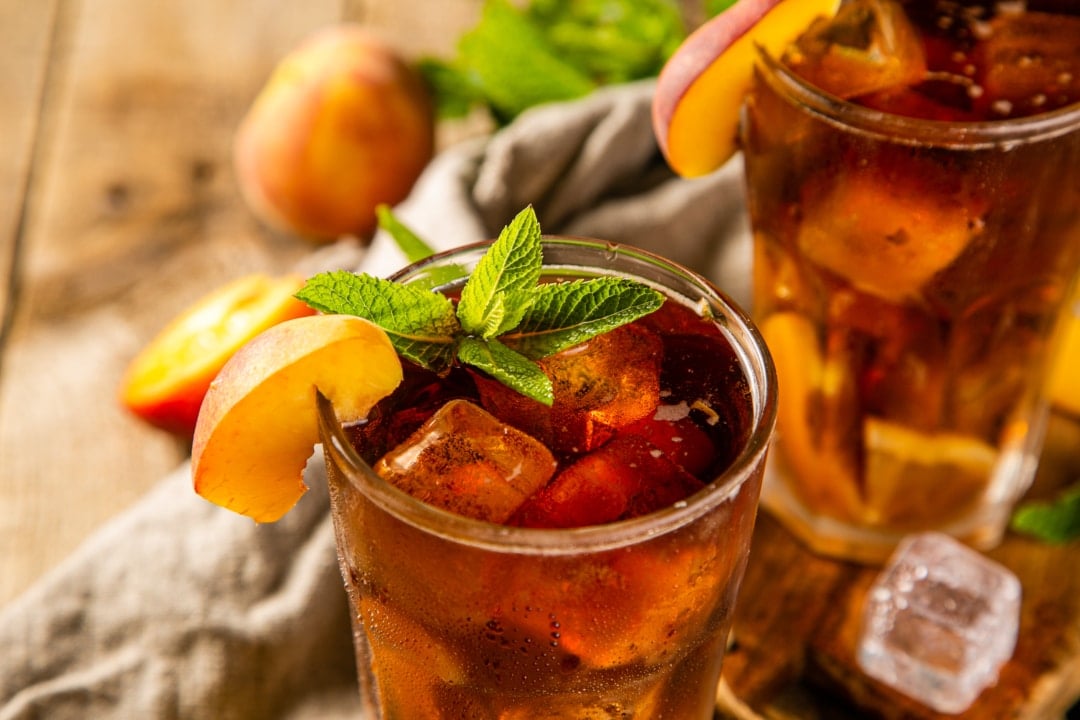
A Long Island Iced Tea is served tall — always in a highball or Collins glass packed with fresh ice. The amber color from the cola, the lemon garnish, and the clear spirits create a visual that reads as inviting and refreshing despite the drink’s actual strength.Garnish with a lemon wedge or wheel pressed onto the rim. Some bars add a maraschino cherry. Keep it simple. The cocktail’s charm is partly in its deceiving appearance — it looks like iced tea. Overloading it with garnish undercuts that effect.For service at events or parties, batch-preparing the spirits, lemon juice, and simple syrup in advance (without cola or ice) works well. Add ice and cola fresh per glass at pour time.
Quick Summary: Choosing Vodka for a Long Island Iced Tea
For the best results: Use an unflavored, 80-proof, grain-based vodka in the $20-$35 range. Tito’s, Absolut, Ketel One, and New Amsterdam are the most recommended options. Avoid flavored vodkas, high-proof variants, and bottom-shelf brands with harsh finishes. Measure precisely — 1/2 oz per serve — and prioritize fresh lemon juice and properly chilled shaking for the best-tasting cocktail.
Frequently Asked Questions
What is the best vodka to use in a Long Island Iced Tea?
The best vodka for a Long Island Iced Tea is an unflavored, 80-proof, grain-based spirit in the $20 to $35 price range. Tito’s Handmade Vodka is consistently rated the top choice by bartenders for mixed cocktails at this tier. Absolut, Ketel One, and New Amsterdam are strong alternatives.
Does the brand of vodka matter in a Long Island Iced Tea?
Brand matters less than quality tier. Premium vodkas in the $50+ range offer nuances that are largely undetectable in a cocktail with five spirits, citrus, and cola. What matters is avoiding harsh, cheap vodkas that create an off-putting aftertaste. A reliable mid-range brand is sufficient.
Can you use flavored vodka in a Long Island Iced Tea?
No. Flavored vodkas interfere with the cocktail’s intended balance. The fresh lemon juice and triple sec already provide the citrus element; adding a citrus-flavored vodka pushes the flavor profile off-center. Stick with plain, unflavored vodka.
How much vodka goes in a Long Island Iced Tea?
The standard pour is 1/2 oz (15 ml) of vodka per serving. Because four other spirits are also included at the same measure, the cocktail is already potent. Over-pouring vodka disrupts the balance without improving the flavor.
What is the alcohol content of a Long Island Iced Tea?
A standard Long Island Iced Tea made with five half-ounce pours of 80-proof spirits contains roughly 2.5 oz of pure alcohol before dilution from ice and cola. After shaking and serving, the estimated ABV is approximately 16-22%, depending on the splash of cola. This is why the drink is considered deceptively strong despite its mild taste.