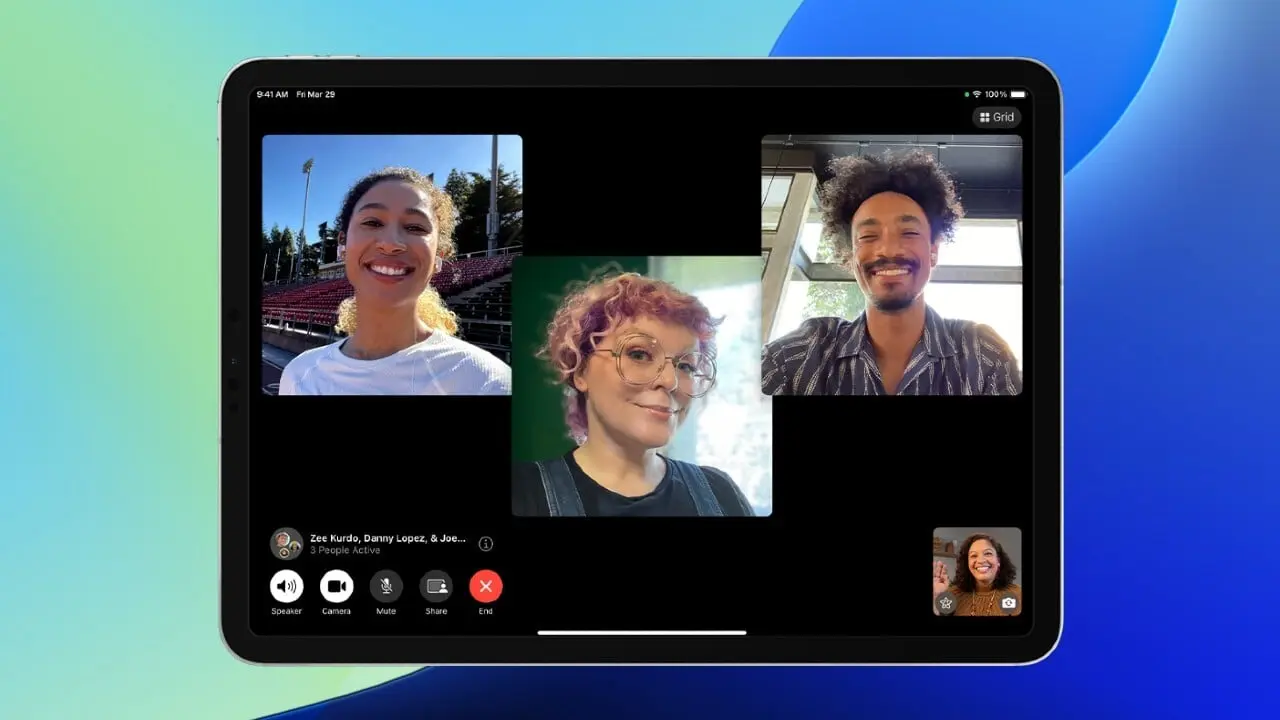
Video calling has become one of the most common forms of daily communication. Platforms like FaceTime, Zoom, and WhatsApp Video are no longer reserved for special occasions — they have woven themselves into routines, relationships, and remote work. Within this shift, one specific behavior has grown noticeably: video calling in the dark, or what many users refer to as “dark FaceTime.”
This guide covers exactly what dark FaceTime means, why people do it, what research suggests about low-light communication, and how to handle the technical challenges it creates.
What Is Dark FaceTime?
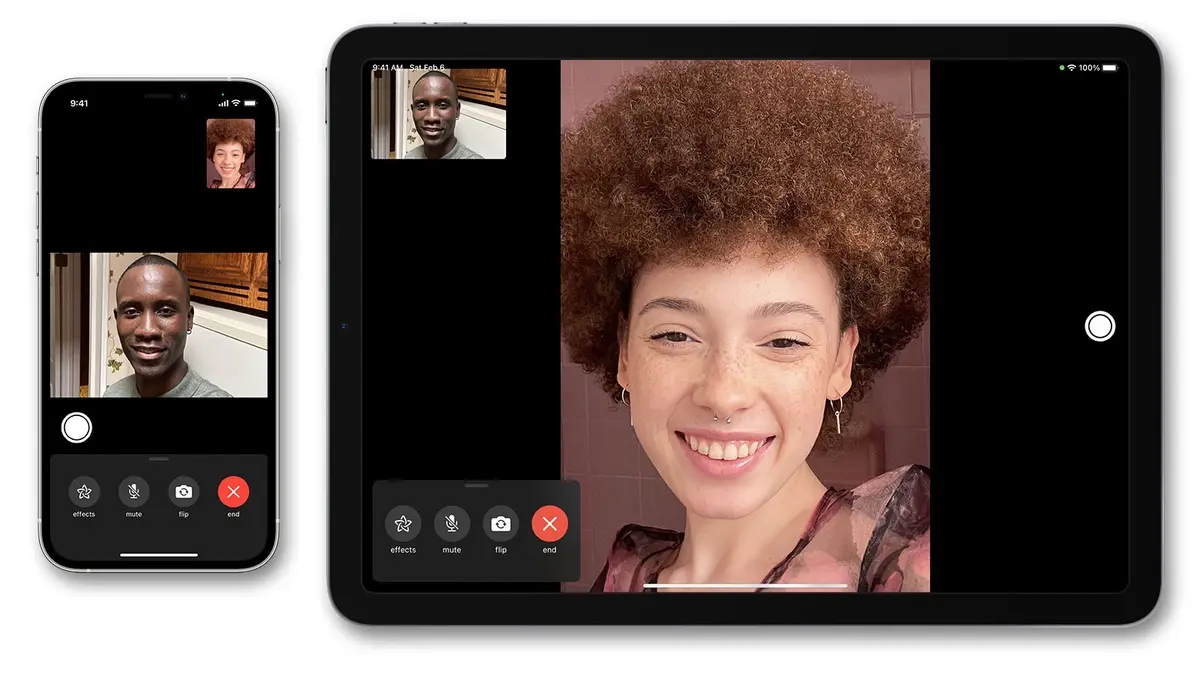
Dark FaceTime refers to the practice of making video calls — most commonly on Apple’s FaceTime app, though the behavior extends to any video calling platform — in dim or dark environments. This includes nighttime calls from bed, calls in rooms lit only by ambient light, or calls conducted using dark mode interface settings on iPhones, iPads, and Macs.
The term is also used in a broader cultural sense to describe intimate, low-key video conversations. Many users describe dark FaceTime as something distinct from a standard call — more relaxed, more personal, and often more emotionally open.
Why Do People FaceTime in the Dark?
It Fits a Natural Nighttime Routine
Most spontaneous video calls happen in the evening. People wind down in dimly lit bedrooms, avoid overhead lighting after work, and reach for their phones before sleep. Dark FaceTime simply reflects when people are actually available and comfortable. Rather than setting up a ring light for a casual call, users accept — and often prefer — the low-light environment already around them.
It Feels More Intimate Than a Standard Call
Bright lighting signals formality. Think of a job interview on Zoom versus a late-night call with someone you trust. Low lighting lowers social pressure. Users report feeling less self-conscious about their appearance, their surroundings, and their emotional state when the camera is not operating under harsh light. This creates conditions where deeper conversations are more likely to happen.
Environmental psychology research consistently supports this. Softer lighting reduces vigilance and promotes relaxed interpersonal behavior — the same principle that makes candlelit dinners feel different from lunch in a cafeteria. Applied to video calls, dimmer light encourages people to speak more freely.
Dark Mode Reduces Eye Strain During Calls
iOS, macOS, and most Android devices now include system-wide dark mode. Video calling apps including FaceTime, WhatsApp, and Google Meet have adapted their interfaces to match. For users making calls in low-light rooms, dark mode reduces glare and screen-to-room contrast — two major sources of eye fatigue during extended screen time.
The American Academy of Ophthalmology notes that while dark mode does not directly improve eye health, reduced glare and brightness in low-light environments can meaningfully decrease discomfort during prolonged screen use. For late-night calls lasting an hour or more, this matters.
It Creates a Sense of Visual Privacy
In shared apartments, family homes, or any space without a dedicated private room, dim lighting serves a practical purpose. A dark background reveals less of the surrounding environment, limiting what the other person — or anyone else nearby — can see. For users in crowded living situations, this subtle layer of visual privacy makes video calling more comfortable without requiring a curated background or a separate room.
The Psychology Behind Low-Light Video Calls
The connection between low light and emotional openness is well-documented outside of digital communication. Late-night phone calls have long been understood as a context where people discuss things they might not bring up during the day. Dark FaceTime translates this dynamic into video.
Several factors contribute to this effect. Reduced visual clarity means both parties are slightly less focused on appearance and more focused on voice and expression. The quiet of nighttime removes ambient distractions. And the shared experience of being in a similar low-light environment — each person visible as a warm, softly lit face against darkness — creates a sense of proximity despite physical distance.
For long-distance couples and close friends separated by geography, this matters significantly. Dark FaceTime sessions often serve the same social function as sitting together quietly at night — the comfort of presence without the pressure of performance.
Does Dark FaceTime Affect Communication Quality?
What It Does Well
Low-light calls tend to feel less transactional. Users are less likely to multitask, less focused on how they look, and more engaged with the conversation itself. The stripped-down visual environment can actually sharpen attention to tone of voice, pacing, and emotional content.
Where It Falls Short
The trade-off is reduced visual information. Facial expressions are a primary channel for nonverbal communication, and dim lighting compresses the range of visible micro-expressions. A slight smile, furrowed brow, or look of concern can be difficult to read when the camera is working at the edge of its capability.
For serious conversations — conflict resolution, difficult news, or anything where precise nonverbal reading matters — better lighting is worth the minor effort. For casual check-ins and companionable calls, the trade-off generally favors comfort.
Technical Challenges of FaceTiming in the Dark
Image Noise and Reduced Clarity
Modern iPhone cameras are significantly better in low light than they were even three years ago. Computational photography, larger sensors, and night mode processing have raised the baseline considerably. But all cameras perform worse in darkness. When light is insufficient, the sensor amplifies what signal it receives, which introduces grain and color inaccuracy. The result is a softer, noisier image that can become noticeably pixelated during video compression.
Processing Demands and Battery Drain
Low-light video requires more active processing from the device. The camera system works harder to stabilize, brighten, and sharpen each frame in real time. Combined with a high-brightness display on the receiving end, this increases battery consumption during calls — a practical concern for long sessions without a charger nearby.
Bandwidth and Compression
Video compression algorithms are less efficient with noisy images. A grainy low-light feed requires more data to encode than a clean, well-lit one. On slower connections, this can produce lag, dropped frames, or automatic quality reduction. If dark FaceTime calls frequently look choppy or blurry, poor lighting is often a contributing factor alongside connection speed.
How to Improve Low-Light Call Quality Without Ruining the Ambiance
A few targeted adjustments make a meaningful difference without requiring studio lighting:
- Position a small lamp or LED light slightly off to one side and behind the screen. Indirect light from roughly the same direction as the camera dramatically improves image quality with minimal visual harshness.
- Warm-toned bulbs (around 2700K) preserve the ambient atmosphere better than daylight-balanced bulbs.
- Increase screen brightness slightly. This adds a small amount of front fill light to your face without requiring an external source.
- On iPhone, swipe to adjust camera exposure manually before the call. Holding down on the screen and sliding the sun icon upward brightens the image.
Dark FaceTime and Sleep: What to Know
Late-night screen use is a genuine health consideration. Screens emit short-wavelength blue light that suppresses melatonin production, which delays the onset of sleep. FaceTime calls close to bedtime can extend wakefulness beyond what users intend, particularly when emotionally engaging conversations make it difficult to wind down afterward.
Practical mitigation is straightforward. Enabling Night Shift on iPhone (Settings > Display and Brightness > Night Shift) shifts screen output toward warmer tones in the evening. Reducing screen brightness and keeping calls to a reasonable length before bed helps preserve sleep quality. Ending calls at least 30 minutes before sleep is a commonly cited recommendation from sleep researchers studying screen use patterns.
The emotional benefits of connection are real and should not be discounted. For people dealing with loneliness, long-distance relationships, or stressful periods, regular evening calls with trusted people carry genuine well-being value. The goal is balance, not abstraction.
Social Norms Around Dark FaceTime
Personal vs. Professional Contexts
The informal social consensus around dark FaceTime is fairly consistent: dim lighting is appropriate for personal calls, and it is not appropriate for professional ones. Work video meetings still carry an expectation of clear visibility. Colleagues and managers reasonably expect to see facial expressions clearly, and appearing as a shadowy figure in a dark room signals disengagement rather than comfort.
In personal settings, the reverse is increasingly true. Younger users in particular treat casual lighting as a marker of authenticity. A perfectly lit, ring-lit video call between close friends can actually feel overly formal — dark FaceTime signals ease and trust.
The Aesthetic Dimension
There is a genuine aesthetic culture around low-light video calls. String lights, warm lamps, monitors glowing softly in the background, and the visible quietness of a nighttime room have become associated with closeness and authenticity in digital communication. This is not incidental. It reflects a broader preference, particularly among users in their teens through thirties, for digital interactions that feel unperformed and real.
The Future of Low-Light Video Calling
Camera and software development is moving quickly in the direction of better low-light performance. Apple, Google, and Samsung have each made computational photography a primary competitive differentiator over the past four years. AI-assisted image enhancement — which reconstructs facial detail rather than simply amplifying sensor data — is already present in newer flagship devices and will become standard.
Adaptive lighting tools within video calling apps are also emerging. Automatic exposure balancing, background blur that separates a user from a dark environment, and real-time low-light enhancement built into platforms like FaceTime and Zoom mean that the technical penalties of dark video calls will continue to shrink.
Longer term, augmented reality lighting — which projects virtual light sources onto a face in real time — may allow users to appear well-lit regardless of their actual environment. At that point, dark FaceTime becomes a purely aesthetic and behavioral choice rather than a technical compromise.
Summary: What Dark FaceTime Really Represents
Dark FaceTime is not simply a technical limitation or a minor stylistic preference. It reflects a coherent set of behaviors around when, why, and how people use video communication in their actual lives — late at night, in comfortable spaces, without preparation or performance. The lighting is dim because the moment is genuine.
Understanding this helps users make better decisions about their own calls: when to accept the trade-offs of low light, when to add a simple lamp, and when to recognize that the ambiance of a dark FaceTime call is itself communicating something meaningful to the person on the other end.
Frequently Asked Questions About Dark FaceTime
What does dark FaceTime mean?
Dark FaceTime refers to making video calls in low-light or dark environments, or using dark mode interface settings during FaceTime calls. The term also describes a cultural style of intimate, casual late-night video conversations.
Why do people FaceTime in the dark?
People FaceTime in the dark because it fits their natural evening routines, feels more intimate and less formal than well-lit calls, reduces eye strain in dark rooms, and provides a degree of visual privacy from surroundings.
Does dark mode on iPhone affect FaceTime call quality?
Dark mode changes the FaceTime interface colors but does not directly affect camera or call quality. Actual lighting conditions in the room have a much greater impact on video clarity than interface settings.
How can I improve video quality on a dark FaceTime call?
Place a warm-toned lamp slightly to the side of your screen, increase screen brightness, and manually adjust camera exposure using the iPhone camera’s on-screen controls before or during the call.
Is FaceTiming in the dark bad for your eyes or sleep?
Extended screen use in dark environments can cause eye discomfort, and blue light emission close to bedtime can delay sleep onset. Enabling Night Shift, reducing brightness, and ending calls 30 or more minutes before bed are effective mitigation steps.